
designing for disassembly
I build a simple object in Rhino. I’ve designed it to look like it’s a single massing but it’s not; it consists of two separate elements, joined together in a way makes the object appear whole. Each element is deliberately proportioned using a ¼” grid and designed with similar qualities: straight lines that intersect at right angles and smooth, even surfaces. Consistency in the elements allow me to visualize, with very little resistance, the resulting form as a single object.
the elements
![part1-[Converted]coloe.png](https://images.squarespace-cdn.com/content/v1/61390463bf989d58c3986a7e/1872d93e-f1fe-424c-8528-7fe87b42ba33/part1-%5BConverted%5Dcoloe.png)
![part2-[Converted]color.png](https://images.squarespace-cdn.com/content/v1/61390463bf989d58c3986a7e/a8931a75-c130-4bb4-844f-2e7df1cd597e/part2-%5BConverted%5Dcolor.png)
iterate
I design three more objects after this, with each object responding to something that exists in the object that came before it.
Infinitely iterating means that you only start from scratch once. After that, you just continue to evolve that initial idea. The benefit of this approach is that you learn to use what you have and to spot subtle opportunities within the existing infrastructure that can create significant change. Below is the initial object, followed by three iterations. Presenting the objects in this way is deliberate; it allows you to visualize the design’s beginning and end and to understand it as an evolution of both imagination and form.
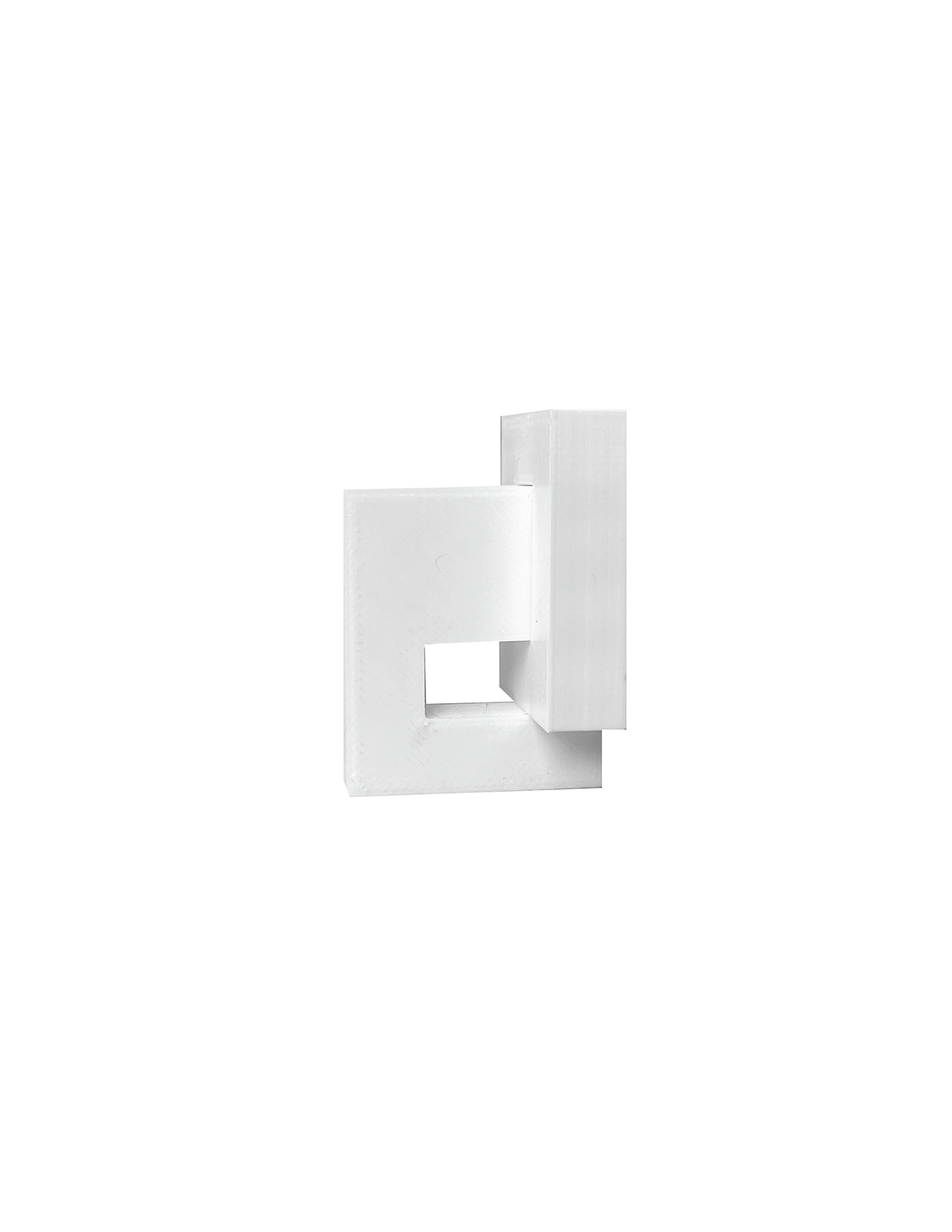
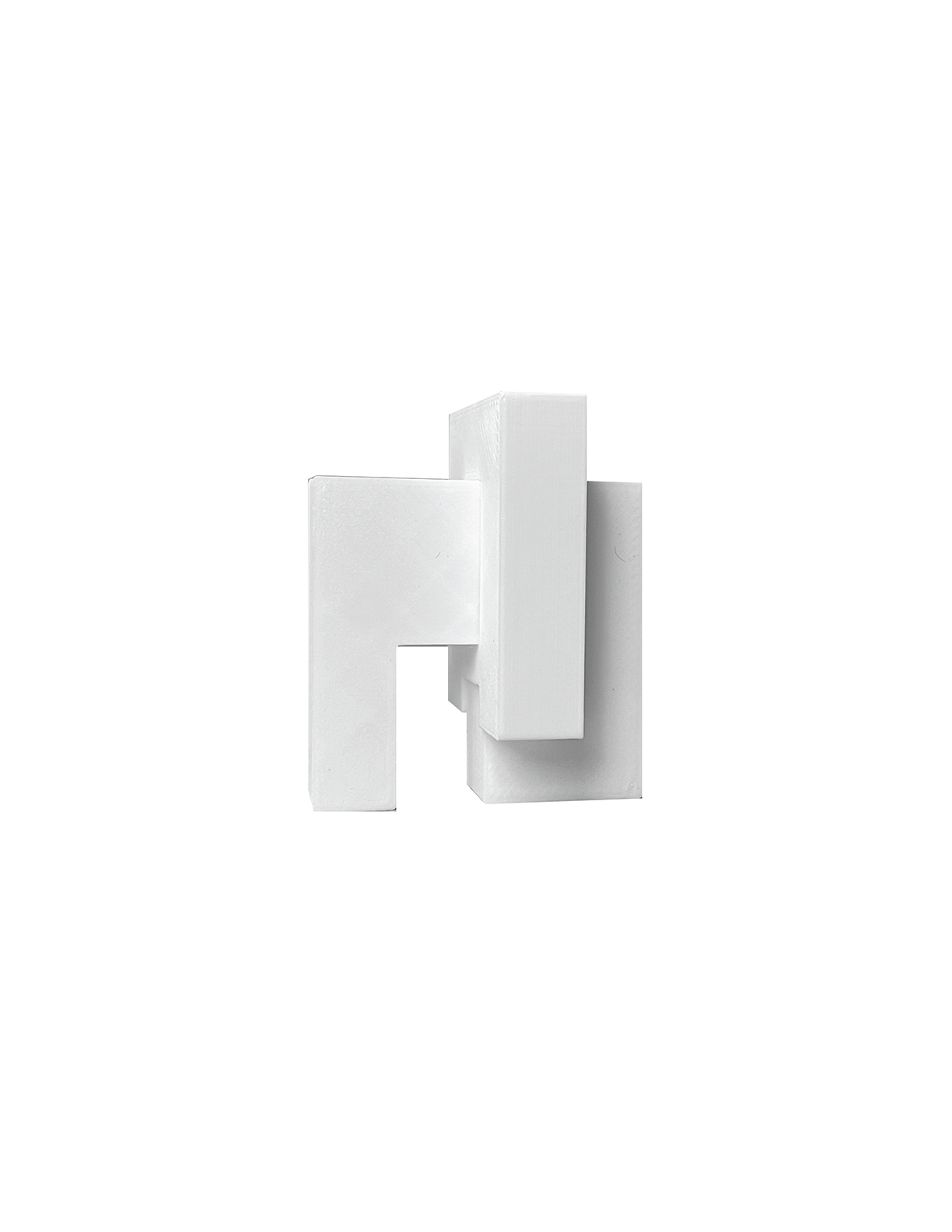
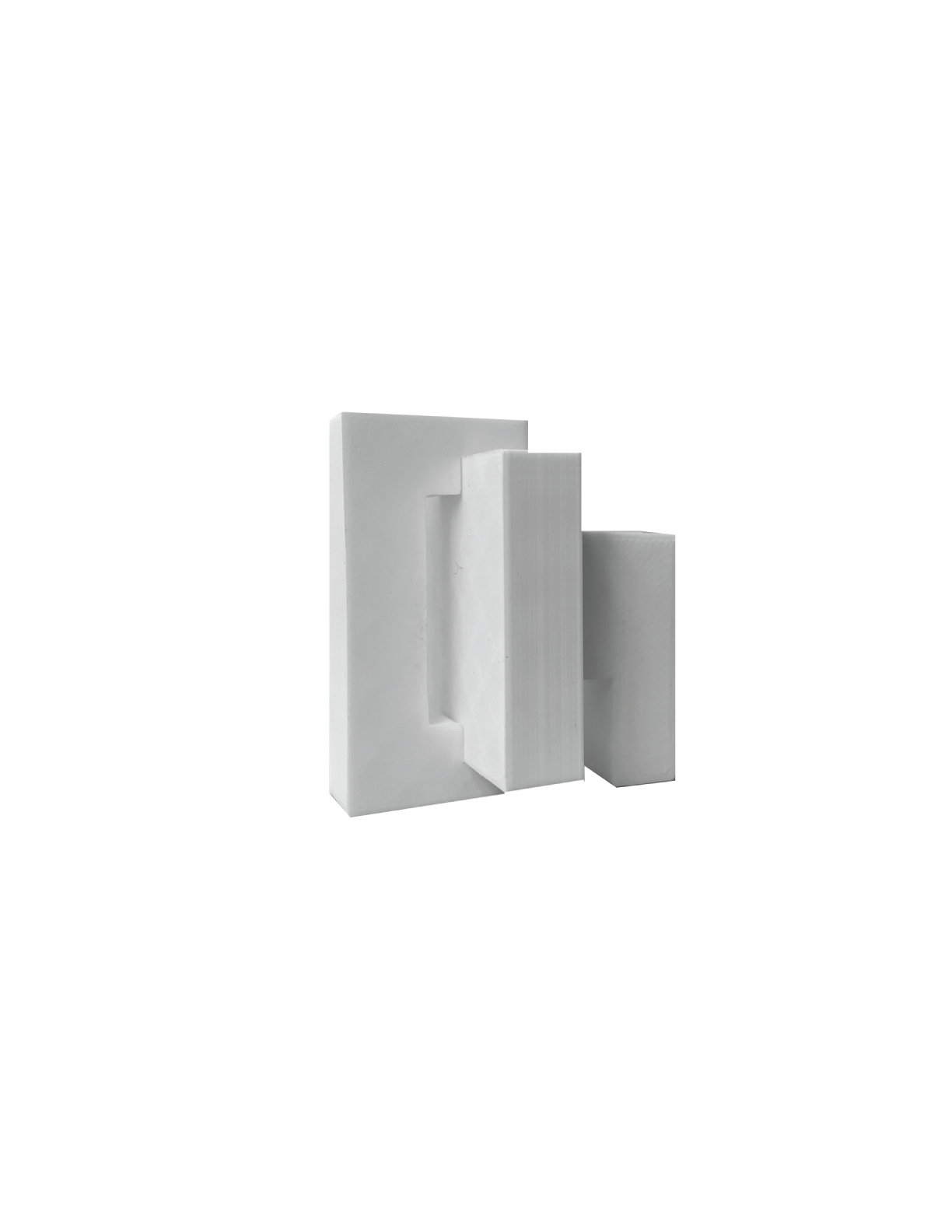
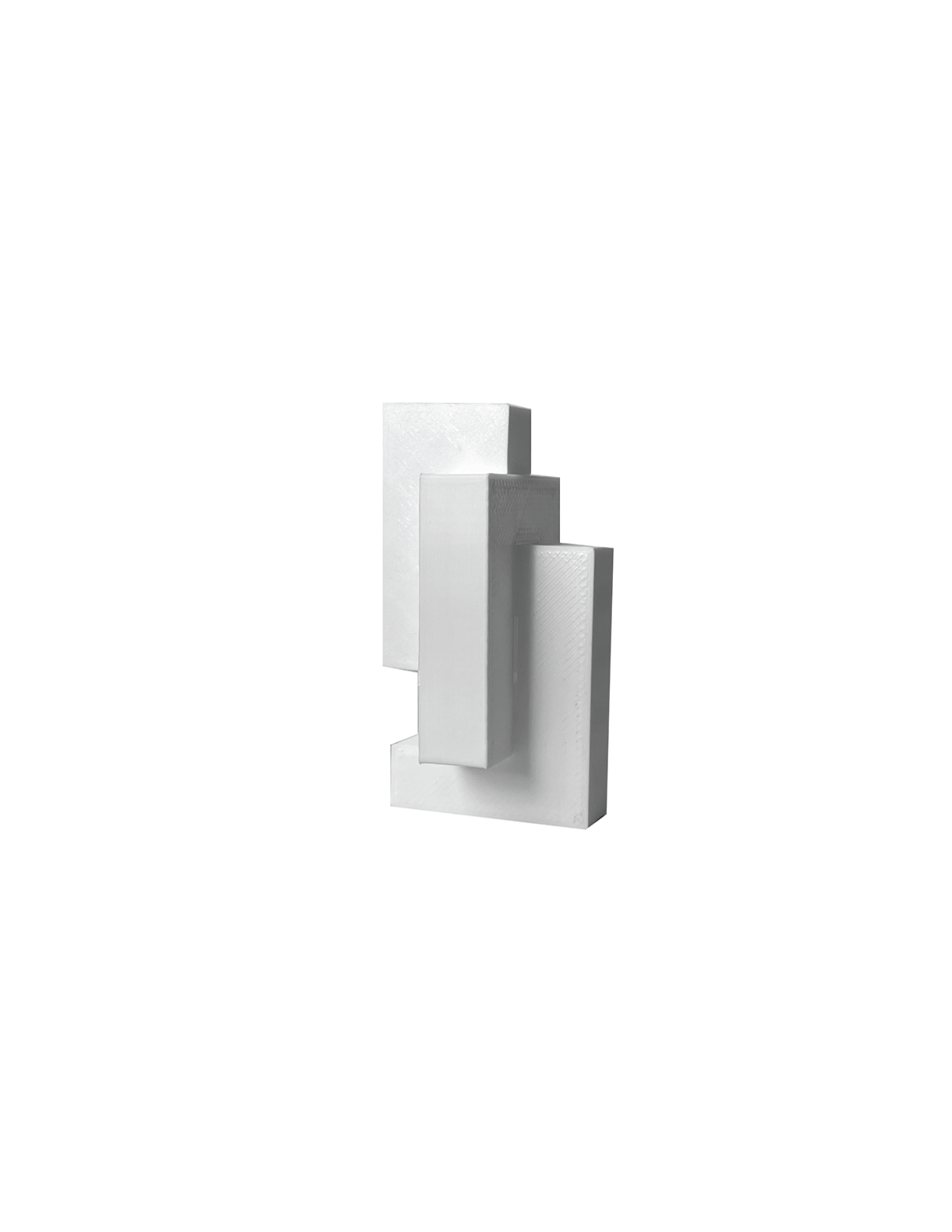
My plan is to 3D print each object. There are two ways to do this: I combine the elements in rhino and print as a single object or I print each element and construct the object afterward. I refer back to my design intention and decide the only solution is to construct the object after the elements have been individually printed because the beauty of these objects is that the elements are all liberated. It’s important that that was clear.